Search

Proximity
Camp Session
Displaying 31 - 60 of 279
Displaying 1 - 279 of 279

Webinar - Diversity of the Autistic Brain: from genes to brains, to interventions and lived experience perspectives with Dr. Anagnostou

In this webinar, Dr. Anagnostou will be discussing with families a new understanding of the many ways that genes affect our brains, and our brains affect our behavior and thinking skills. We will explore how our genes and brain contribute to Autism, as well as contribute to many co-occurring neurodevelopmental and mental health conditions such as anxiety and ADHD. 

Understanding how our genes, our brains, our thoughts, and our behaviour are all interconnected will influence how we think about interventions, and how such understandings affect stakeholder priorities.

This webinar is appropriate for families and caregivers of autistic children, as well as professionals working with autistic children.
EA

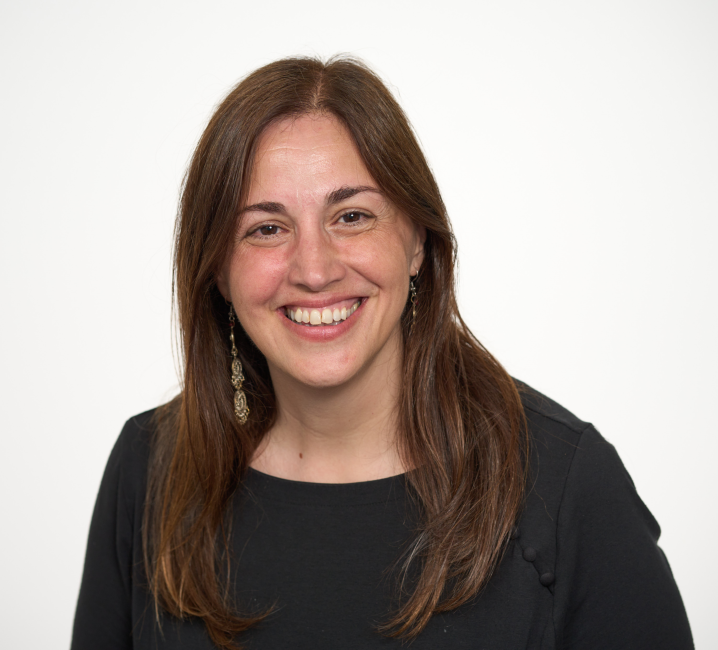
Speaker: Evdokia Anagnostou

Evdokia Anagnostou is a Child Neurologist and Professor of Pediatrics at the University of Toronto and Assistant Director of Holland Bloorview’s Research Institute. As a Senior Clinician Scientist, she co-leads the Autism Research Centre (ARC) at Holland Bloorview and the University of Toronto. She holds a Canada Research Chair in translational therapeutics in Autism Spectrum Disorder (ASD) and the Dr. Stuart D. Sims Chair in Autism at Holland Bloorview.

Dr. Anagnostou has received extensive international funding to understand the underlying biological differences associated with ASD and other neurodevelopmental differences, translate such understandings into potential novel interventions. She also has funding in health system innovation, stakeholder engagement, and in understanding the meaning and impact of ASD in marginalized populations. She serves on multiple government committees on improving diagnostic and intervention pathways, and several editorial boards and grant review panels.

She has also been recognized for her contributions to training young clinicians and scientists and for her commitment to women in STEM. She currently represents the region of America –North on the INSAR Global Senior Leaders committee.

Disclaimer: Opinions reflected in this webinar are those of the speaker(s) and presenter(s), and do not necessarily reflect Autism Ontario’s views. Please note Autism Ontario does not endorse any specific therapy, product, treatment, strategy, opinions, service, or individual. We do, however, endorse your right to information. Autism Ontario strongly believes that it is important to do your own research and make your own informed decisions. 

Signature Series Webinar- Building Self-Advocacy Skills for Autistic Women and Girls with Stephanie Moeser

This webinar aired on March 6th, 2025 and is now available On-Demand, register to watch now and view the resources to accompany the content of this presentation.

Join us for Autism Ontario’s next Signature Series webinar, designed for parents, caregivers, and family members of autistic people.  

In celebration of International Women's Day 2025, Stephanie Moeser will join Matt Ley to discuss how parents can help build self-advocacy skills in their daughters to make informed decisions. We will also have the opportunity to hear stories of success, challenges, and advice from two autistic women. 

This presentation will highlight building self-advocacy skills in girls and women; however, the messaging and strategies are applicable to all genders. 

Learning objectives: 

  1. What self-advocacy is, and why it is an important skill to teach to our children.  
  2. What parents need to think about when teaching self-advocacy skills to autistic people.  
  3. The importance of context when building self-advocacy skills, with examples.  
  4. Strategies for how parents and family members can support advocacy skills with their autistic loved one

This webinar will offer valuable insights and practical advice for supporting autistic individuals with complex needs. Don’t miss this opportunity to learn from leading experts and gain insights for your loved ones! 

Register here to watch this discussion On-Demand.

This webinar will offer valuable insights and practical advice for autistic individuals and their families. Professionals working with this population are welcome to attend. 

Ready to Dive Deeper? In Focus, the aftershow now available. Click here for details!

Stephanie Moeser

Stephanie Moeser, (she/her), MSW, RSW 

Stephanie has a small private practice which primarily focuses on supporting autistic folks through a neurodivergent affirming lens. She specializes in supporting autistic students attending post-secondary education and autistic girls, women, trans and non-binary people providing mental health supports addressing areas of relationships, wellness, and issues related to managing mental health challenges such as anxiety and mood disorders.  

Over the years Stephanie has presented on the topic of wellness and self-care to parents/caregivers, people living with disabilities, mental health professionals and allied health professionals. She is passionate about the need to talk about feelings and to integrate active compassion into one life. 

Headshot of Matt Ley, moderator.

Meet Our Moderator: Matt Ley  

 Matt Ley is the current President and co-founder of The Streaming Network. Starting his career in virtual events in 2007, Matt is an industry veteran who is passionate about helping customers stand out in their industry with compelling virtual events that people want to attend. The driving ambition for Matt is that virtual events are not a utility for information distribution but an opportunity for firms to create a competitive advantage. Matt is an accomplished moderator, dedicated to creating engaging, accessible virtual experiences that resonate with audiences and provide meaningful value.  


#IWD2025   #AccelerateAction #InternationalWomensDay #IWD #WomensDay 

Disclaimer: Opinions reflected in this webinar are those of the speaker(s) and presenter(s), and do not necessarily reflect Autism Ontario’s views. Please note Autism Ontario does not endorse any specific therapy, product, treatment, strategy, opinions, service, or individual. We do, however, endorse your right to information. Autism Ontario strongly believes that it is important to do your own research and make your own informed decisions.  

Webinar - Autism, Sexuality, and the Law with Dr. Isabelle Hénault

In recent years, Internet accessibility has increased the consumption of pornographic images and sites.

Social networks are present in the lives of most autistic adolescents and adults. The rules surrounding the legal aspect of social media content remain unclear. Thus, the risk is high for autistic people who browse online without knowing the risks and consequences associated with chat exchanges, viewing and/or distribution of illegal material.

In this webinar, strategies and tools adapted to the autistic profile in terms of education and prevention of illegal and inappropriate sexual behaviour will be presented, in addition to concrete cases. The notion of consent will be addressed using appropriate educational tools.

Learning objectives:

  1. Understand the challenges of Internet navigation.
  2. Utilize educational strategies to use the Internet safely.
  3. Prevent at-risk behaviours and expand knowledge about legal aspects of sexuality.

This webinar is appropriate for caregivers of autistic youth from pre-teen to young adulthood. Please see the additional resources attached below for more information on this topic.

This presentation contains material that might be difficult to discuss. This presentation mentions themes of pornography and abuse, including sexual abuse. These themes will be discussed in a sensitive and educational way, emphasizing prevention.

For more information on this topic, please see the additional resources attached below.

IH

Speaker: Dr. Isabelle Hénault, Psychologist & Sexologist, Montreal Autism & Asperger’s Clinic

Dr. Isabelle Hénault, is a sexologist and psychologist from the University of Québec in Montréal, Canada. Her practice and studies have focused on providing diagnosis, education and support to children, adolescents, adults, and couples living with Autism and Asperger’s Syndrome. She has developed a relationship and sex education program, works with individuals and groups to increase their understanding of sexuality, and conducts relationship counselling. She is currently collaborating on numerous international research initiatives involving socio-sexual education and interpersonal relationships.  She worked for over two years and a half at Tony Attwood’s clinic in Australia.

Dr. Hénault is the author of Asperger’s Syndrome and Sexuality: From Adolescence through Adulthood, published by Jessica Kingsley Publisher, London (2005) and co-author of The Autism Spectrum, Sexuality and the Law (Attwood, Hénault & Dubin) published by Jessica Kingsley Publisher, London (2014). She also published the book The Female Profile of Autism (Chenelière Education, 2020; JKP, 2023) and collaborated on the book Working with Autistic Transgender and Non-Binary People (Kourti & coll, 2021).

Headshot of Matt Ley, moderator.

Moderator: Matt Ley

Matt Ley is the current President and co-founder of The Streaming Network. Starting his career in virtual events in 2007, Matt is an industry veteran who is passionate about helping customers stand out in their industry with compelling virtual events that people want to attend. The driving ambition for Matt is that virtual events are not a utility for information distribution but an opportunity for firms to create a competitive advantage. Matt is an accomplished speaker, moderator and a sought-after thought leader.

Disclaimer: Opinions reflected in this webinar are those of the speaker(s) and presenter(s), and do not necessarily reflect Autism Ontario’s views. Please note Autism Ontario does not endorse any specific therapy, product, treatment, strategy, opinions, service, or individual. We do, however, endorse your right to information. Autism Ontario strongly believes that it is important to do your own research and make your own informed decisions. 

Webinar - Supporting Queer and Gender Diverse Autistic Youth with Stephanie Moeser and anya gwynne

In this interactive webinar, anya, and Stephanie will discuss gender identity and autism, and talk about ways to support your queer and gender-diverse autistic children.

Stephanie is a cis-gender social worker who has years of experience working with autistic youth, teens and adults, and their families.

anya is a non-binary person, consultant, and educator who has years of experience supporting queer and gender-diverse youth, adults, and families in the 2-SLGBTQIA+ community. anya brings a genuine and authentic voice to this discussion to further support families along their journey to understand and affirm their children.

Together, anya and Stephanie will provide you with the language and skills to help you build strategies for supporting, your children to live their authentic selves.  

This webinar is appropriate for parents and caregivers of autistic youth as well as professionals working with autistic youth.

Co-speaker: Stephanie Moeser, R.S.W, M.S.W 

Stephanie Moeser

Stephanie Moeser is a social worker living and working in Peterborough, ON. As a part time faculty at Fleming College, she teaches in the Mental Health and Addictions, Social Service Worker and Developmental Service Worker programs.  Originally from Toronto, a focus of Stephanie’s clinical work has been in supporting people with Autism Spectrum Disorders and their families. In her private practice Stephanie provides mental health supports addressing areas of relationships, wellness, and issues related to managing mental health challenges such as anxiety and mood disorders. She has a specialization in supporting autistic students attending post-secondary education, and girls, women and trans and non-binary people on the spectrum.  

Over the years Stephanie has presented on the topic of wellness and selfcare to parents/caregivers, people living with disabilities, mental health professionals and allied health professionals. This past month she has provided a series of webinars on this topic for Autism Ontario. She is passionate about the need to talk about feelings and to integrate active compassion into one own’s life, especially during this difficult time. 

ag

Co-Speaker: anya gwynne

A second-generation settler living in Nogojiwanong, anya gwynne is a queer and non-binary, writer, parent and facilitator. Over the last 15 years, they have engaged service providers, educators, and the community to build welcoming spaces and improve services for 2S/LGBTQIA+ people, creating authentic opportunities for learning and connection.  anya has developed trauma-informed programming and facilitated diverse groups.  They are grateful for the opportunity to have worked across Turtle Island with youth and intergenerational communities, witnessing stories of resistance and change. 

Disclaimer: Opinions reflected in this webinar are those of the speaker(s) and presenter(s), and do not necessarily reflect Autism Ontario’s views. Please note Autism Ontario does not endorse any specific therapy, product, treatment, strategy, opinions, service, or individual. We do, however, endorse your right to information. Autism Ontario strongly believes that it is important to do your own research and make your own informed decisions. 

Webinar - Back to School Part 2: Strategies for Connecting with your School Team with Tracie Lindblad and Danielle Nolan

Back to School – A Two-Part Webinar Miniseries for a Successful September Start  

As summer holidays come to an end, you may be thinking about backpacks, water bottles, and pencil cases. You may be wondering where do I start, who should I speak with, and what should I expect? This two-part mini webinar series aims to support caregivers in transitioning their child to school by building routines for success and supporting positive communication with their child’s school team. This series will provide information and strategies for parents and caregivers of children at all stages in their school journey.

Session 2 of 2: Back to School: Strategies for Connecting with your School Team

Join Tracie Lindblad (Speech-Language Pathologist, M.Sc. Reg. SLP, M.Ed., BCBA) and Danielle Nolan (Social Worker, MSW RSW) as we discuss strategies for setting your child and their team up for success. This webinar aims to support caregivers in understanding what to expect in the first 60 days of school, and how best to connect with your child’s school. We will provide background information on the various meetings, documents, and assessments that may involve your child. This webinar is appropriate for parents and caregivers of children of all ages. 

Additional sessions in this series: Part 1: Strategies to Prepare for School Routines 

This event is part of our Back-to-School Collection, view the entire collection here: https://bit.ly/AOBackToSchool 

Speaker: Tracie Lindblad, M.Sc., Reg. SLP (CASLPO), M.Ed., BCBA

Tracie Lindblad

Tracie is a dually credentialed Speech-Language Pathologist and Board Certified Behavior Analyst® (BCBA®) with over 35 years’ experience working within school settings, not-for-profit agencies, and private practice.  She has extensive experience working with children, youth, and adults with developmental disabilities, severe problem behaviour, ASD, complex communication needs, and dual diagnosis. Tracie blends her skills from speech-language pathology, education, behaviour analysis, research, and business to increase client outcomes and has worked with clients and companies throughout North America, Europe, and the UK. Tracie is actively involved in applied research across the fields of speech-language pathology and behaviour analysis and has been fortunate to be involved in large cross-sector research studies involving individuals with developmental disabilities, autism, and aphasia. She also currently serves as a director on a number of Boards for organizations in Ontario.


DN

Speaker: Danielle Nolan, MSW., RSW

Danielle is the Social Worker on Autism Ontario’s newly formed, Subject Matter Expert team. She lives in the East Region and has a particular interest in supporting rural populations. She completed her Master of Social Work designation at the University of Toronto where she gained practicum experience at the Hospital for Sick Children. Over the past 7 years, Danielle has worked in child welfare and children’s treatment. Most recently, Danielle was the social worker in an Autism Hub. She provided brief- and on-going emotional and instrumental support to children with ASD and their families. 

Disclaimer: Opinions reflected in this webinar are those of the speaker(s) and presenter(s), and do not necessarily reflect Autism Ontario’s views. Please note Autism Ontario does not endorse any specific therapy, product, treatment, strategy, opinions, service, or individual. We do, however, endorse your right to information. Autism Ontario strongly believes that it is important to do your own research and make your own informed decisions. 

Please note that as of July 1, 2024, to practice ABA in Ontario, Behaviour Analysts must be registered with the College of Psychologists and Behaviour Analysts of Ontario (CPBAO) and will be referred to as Registered Behaviour Analysts (RBAs). Individuals may use the BCBA and BCBA-D credential if they are also registered with the CPBAO.

Webinar – Ask the Doctor: Improving Pathways to Timely Diagnosis of Autism with Dr. Lonnie Zwaigenbaum

Recognizing the early signs of autism is an important step along the pathway to diagnosis to ensure children have access to supports and services and that parents' concerns and questions are addressed.

We have learned a lot about the earliest features of autism, in part from the experiences of parents and, more recently, from research involving younger siblings, who are at increased likelihood of the diagnosis themselves. Despite growing knowledge of the earliest signs of autism, the average age of diagnosis has barely decreased as families face long waits to access assessments. Can we do better?

In this webinar, we will discuss strategies supporting more timely access to diagnostic assessment through training and collaboration with community physicians and other professionals. Finally, we will share ideas about how families can be supported through this process, including the involvement of experienced parents in navigation and other important roles.  

Dr. Lonnie Zwaigenbaum

Speaker: Dr. Lonnie Zwaigenbaum

Dr. Zwaigenbaum is a developmental pediatrician and Professor in the Department of Pediatrics at the University of Alberta, supported by the Stollery Children’s Hospital Foundation Chair in Autism. He is also the Edmonton Zone Clinical Department Head for Child Health, Alberta Health Services. His current research focuses on early features of autism, as well as improving diagnosis and health care related to autism. He recently chaired the oversight panel of the Canadian Academy of Health Sciences Autism Assessment requested by the federal government to guide the national autism policy strategy. In his clinical roles at the Glenrose Rehabilitation Hospital, he has co-led community training on autism diagnosis and ongoing pediatric care.

Disclaimer: Opinions reflected in this webinar are those of the speaker(s) and presenter(s), and do not necessarily reflect Autism Ontario’s views. Please note Autism Ontario does not endorse any specific therapy, product, treatment, strategy, opinions, service, or individual. We do, however, endorse your right to information. Autism Ontario strongly believes that it is important to do your own research and make your own informed decisions

Webinar: Education Series: Navigating Special Education

Are you a parent or caregiver seeking guidance on navigating the realm of special education within the school system? Autism Ontario invites you to join our panel discussion where experts will shed light on the crucial aspects of communication, relationship building, and your child’s education rights.

During this webinar, our panelists will provide you with valuable insights and practical tips to effectively navigate special education, especially if your child is just entering school or has recently been diagnosed. We aim to empower parents and caregivers who are new to this journey by equipping them with the knowledge and tools necessary to advocate for their child's educational needs.

Key Learning Outcomes:

  1. Discover how to access key information and resources relevant to your child's special education journey.
  2. Learn practical tips and tools to navigate the special education system, ensuring your child receives the support they need.
  3. Understand the significance of developing a strong relationship with your school team, fostering a collaborative approach to supporting your child's academic and personal growth.

Join us for this informative panel discussion to gain valuable insights to confidently navigate the special education landscape and build a strong foundation for your child's educational journey. Together, let's create a supportive educational environment for every child. 

This webinar is designed for parents and caregivers who are new to navigating special education. However, all individuals interested in gaining a deeper understanding of the topic are welcome to attend.

NR

Speakers:

Nilijan Ray, Panelist

Nilanjan Ray is a banker by profession currently working with RBC Royal Bank. Prior to joining RBC, Ray worked in Malta, Dubai, Bahrain and India across Commercial Banking, Business Markets and Trade Finance. Ray holds an MBA and graduate degree in Economics.   Outside of work, Ray is an avid soccer fan and a movie buff. He loves to enjoy the outdoor and wildlife experiences with his family. He lives in Mississauga with wife and kids (including a 120lb German Shepherd).   He is passionate about supporting neurodiversity and volunteers his time with organizations supporting Autism related initiatives. After the family moved to Canada from Dubai, Ray successfully navigated the support ecosystem available for neuro-diverse kids in the school, diagnosis process, therapy support and funding to ensure his kids receive the support they need to put their best foot forward. He is passionate about sharing his experience with newcomer families as well as families with children who have a recent diagnosis to help them in their journey.

Lynn Ziraldo, Panelist

LZ

Lynn Ziraldo is a locally and internationally renowned advocate. Her advocacy journey began over 46 years ago, as a mother supporting her son with complex medical and learning needs. Through previous positions as the Executive Director of the Learning Disabilities Association York Region (LDAYR), President of the Ontario and Canadian Council for Exceptional Children (CEC) and Director with the International Council for Exceptional Children, Lynn has represented learning disabilities on numerous committees/task forces and working groups throughout Ontario, Canada and the United States. Lynn has had a significant impact on Special Education in Ontario through roles including as the chair of the K to 12 Education Accessibility Standards Committee (2018-2022), and past chair and advisor of the Ministers Advisory Council for Special Education in Ontario (MACSE).

Currently an Advisor/Parliamentarian of the Ontario Council for Exceptional Children, Lynn continues to lead numerous workshops and training to educators, professional groups, community agencies and parents. She chairs the York Region District School Board’s Special Education Advisory Committee (SEAC) and consults with school boards and organizations across Ontario to continually improve the education to meet the needs of all students.

TJ

Tanya Jewell, Panelist, Subject Matter Expert: Education, Autism Ontario

Tanya Jewell is an experienced advocate who is passionate about infusing lived experience with education and evidence-based knowledge.  Through her international, provincial and local work, Tanya has helped individuals and families navigate services, advocate for human rights and facilitate knowledge transfer in the fields of HIV/AIDS, acquired brain injury and autism. In addition to a B.A. Honours in Sociology, Tanya’s holds certificates in dispute resolution, trauma counselling for mental health professionals, acquired brain injury and neurorehabilitation, peer support core essentials, patient navigation and PEERS training. Neurodiverse herself, Tanya highly values the education she has received from individuals with lived experience, including her autistic sons. Tanya is part of Autism Ontario’s Subject Matter Expert team.

Disclaimer: Opinions reflected in this webinar are those of the speaker(s) and presenter(s), and do not necessarily reflect Autism Ontario’s views. Please note Autism Ontario does not endorse any specific therapy, product, treatment, strategy, opinions, service, or individual. We do, however, endorse your right to information. Autism Ontario strongly believes that it is important to do your own research and make your own informed decisions. 

Webinar - Ask the Expert Series: Augmentative and Alternative Communication (AAC) For Autistic Individuals Part 3: Goal Setting

This webinar aired in February 2022 and is now available on YouTube. See the link to watch below. 

Many individuals with autism experience challenges with communication in varying degrees. Many will experience significant challenges with spoken communication at least some of the time. There are other methods of communication which may assist the individual in communicating their wants and needs and participating more fully in the environments around them.

This webinar series will outline the steps needed for choosing, introducing, teaching, evaluating, and encouraging expanded use for an AAC system for an autistic individual who would benefit from increasing their communication skills.

This webinar is appropriate for families and caregivers of autistic children and youth, as well as professionals working with autistic children.

Part 3: Goal Setting

This session will highlight how to choose functional and meaningful vocabulary to teach with the AAC and how to decide on the specific goals for communication.

Additional sessions in this series:

Part 1: Introduction to AAC for Autistic Individuals

Part 2: Choosing an Augmentative of Alternative System: Prerequisite Skills and Assessment

Part 4: Introducing and Teaching the AAC System

Part 5: Problem Solving and Generalization of the AAC

Tracie Lindblad

Speaker: Tracie Lindblad, M.Sc., Reg. SLP (CASLPO), M.Ed., BCBA

Tracie is a dually credentialed Speech-Language Pathologist and Board Certified Behavior Analyst® (BCBA®) with over 35 years’ experience working within school settings, not-for-profit agencies, and private practice. She has extensive experience working with children, youth, and adults with developmental disabilities, severe problem behaviour, autism, complex communication needs, and dual diagnosis. Tracie blends her skills from speech-language pathology, education, behaviour analysis, research, and business to increase client outcomes and has worked with clients and companies throughout North America, Europe, and the UK. Tracie is actively involved in applied research across the fields of speech-language pathology and behaviour analysis and has been fortunate to be involved in large cross-sector research studies involving individuals with developmental disabilities, autism, and aphasia. She also currently serves as a director on several Boards for organizations in Ontario.

Disclaimer: Opinions reflected in this webinar are those of the speaker(s) and presenter(s), and do not necessarily reflect Autism Ontario’s views. Please note Autism Ontario does not endorse any specific therapy, product, treatment, strategy, opinions, service, or individual. We do, however, endorse your right to information. Autism Ontario strongly believes that it is important to do your own research and make your own informed decisions. 

Signature Series Webinar: The Journey Through Special Education: Navigating Challenges and Building Connection

This webinar aired on September 24th, 2025 and is now available On-Demand. Register to watch now and view the resources to accompany the content of this presentation.

Join us for our annual panel conversation featuring three parent-experts in navigating the special education system in Ontario, each with personal and professional experience supporting autistic children and youth. This moderated session offers practical advocacy strategies and a relatable look at the realities of navigating the school system. 

Through stories rooted in lived, learned, and loved experiences, the panel will explore common challenges ("the bumps"), what helped them get through, and what others might try in their advocacy journeys. Parents will walk away with real-life strategies, encouragement, and a reminder that while advocacy looks different for every family, connection and persistence can make a difference.

Learning Goals:  

  1. Learn how families have addressed challenges in the school system through information, advocacy and collaboration.
  2. Discover practical, accessible approaches that parents and caregivers can use and adapt.
  3. Inspire connection, empowerment and action from real stories of persistence, problem-solving, and progress.
     

To foster a comprehensive discussion, we have invited three panellists representing essential perspectives on how to advocate for your child: 

  • Andrea Haefele: Curriculum Consultant and Parent Advocate
  • Jessi Lalonde: Special Education Coordinator and Parent Advocate
  • Tanya Jewell: Special Education Advocacy Expert, Autism Ontario and Parent Advocate

This webinar is designed for parents and caregivers of autistic children and youth, especially those currently navigating or preparing to engage in special education advocacy. 

Register here to watch this discussion On-Demand.

This session is part of a three-part series designed to support parents and caregivers navigating the special education system. Register once to gain access to all three sessions. Whether you’re brand new to advocacy or looking to strengthen your skills, this series offers practical advice, real stories, and the support you need to move forward with confidence. 

See our collection of past sessions available for viewing here. Stay informed, get expert insights, and explore our growing library of topics designed to support you and your family.

Webinar - Understanding Autistic Burnout, Inertia, Meltdown, and Shutdown (BIMS) with Dr. Christie Welch

Looking for more BIMS information? Click here to watch the latest Signature Series episode on-demand with Dr. Christie Welch.

Dr. Christie Welch has been researching Burnout, Inertia, Meltdowns, and Shutdown (BIMS) from the perspectives of autistic children, youth, and adults. In this webinar, Dr. Welch will share her research findings including how her autistic co-researchers describe and experience BIMS and what they found helpful. We will also discuss the importance of including the lived autistic experience by using terms that come from the autistic community when refining the definition of BIMS. Finally, we'll explore the BIMS self-management tools that Dr. Welch's research team has under development.

This webinar is appropriate for autistic youth, adults, and their families as well as professionals working with this population. For more information on this topic, please see the additional resources attached below.

cw

Speaker: Dr. Christie Welch

Christie Welch Ph.D., OT Reg. (Ont.) is a registered Occupational Therapist who has been practicing since 2001. She completed a Ph.D. in Rehabilitation Science at the University of Toronto and a postdoctoral fellowship at the Bloorview Research Institute. Christie is passionate about building a new understanding of autism that is based on the perspectives of people who identify as autistic. Her research focuses on experiences identified as important by autistic people; specifically, burnout, inertia, meltdown, and shutdown. She is currently an Assistant Professor, Teaching Stream at the University of Toronto. 

Disclaimer: Opinions reflected in this webinar are those of the speaker(s) and presenter(s), and do not necessarily reflect Autism Ontario’s views. Please note Autism Ontario does not endorse any specific therapy, product, treatment, strategy, opinions, service, or individual. We do, however, endorse your right to information. Autism Ontario strongly believes that it is important to do your own research and make your own informed decisions. 

Webinar - Ask the Expert Series: Augmentative and Alternative Communication (AAC) For Autistic Individuals Part 5: Problem Solving and Generalization of the AAC

This webinar aired in February 2022 and is now available on YouTube. See the link to watch below. 

Many individuals with autism experience challenges with communication in varying degrees. Many will experience significant challenges with spoken communication at least some of the time. There are other methods of communication which may assist the individual in communicating their wants and needs and participating more fully in the environments around them.

This webinar series will outline the steps needed for choosing, introducing, teaching, evaluating, and encouraging expanded use for an AAC system for an autistic individual who would benefit from increasing their communication skills.

This webinar is appropriate for families and caregivers of autistic children and youth, as well as professionals working with autistic children.

Part 5: Problem Solving and Generalization of the AAC

In this webinar, through a series of case presentations, participants will learn some useful tips to help with problem solving when typical errors or issues occur during AAC use. Expanding AAC use across people, activities, and environments will also be discussed.

Additional sessions in this series:

Part 1: Introduction to AAC for Autistic Individuals

Part 2: Choosing an Augmentative of Alternative System: Prerequisite Skills and Assessment

Part 3: Goal Setting

Part 4: Introducing and Teaching the AAC System

Tracie Lindblad

Speaker: Tracie Lindblad, M.Sc., Reg. SLP (CASLPO), M.Ed., BCBA

Tracie is a dually credentialed Speech-Language Pathologist and Board Certified Behavior Analyst® (BCBA®) with over 35 years’ experience working within school settings, not-for-profit agencies, and private practice. She has extensive experience working with children, youth, and adults with developmental disabilities, severe problem behaviour, autism, complex communication needs, and dual diagnosis. Tracie blends her skills from speech-language pathology, education, behaviour analysis, research, and business to increase client outcomes and has worked with clients and companies throughout North America, Europe, and the UK. Tracie is actively involved in applied research across the fields of speech-language pathology and behaviour analysis and has been fortunate to be involved in large cross-sector research studies involving individuals with developmental disabilities, autism, and aphasia. She also currently serves as a director on several Boards for organizations in Ontario.

Disclaimer: Opinions reflected in this webinar are those of the speaker(s) and presenter(s), and do not necessarily reflect Autism Ontario’s views. Please note Autism Ontario does not endorse any specific therapy, product, treatment, strategy, opinions, service, or individual. We do, however, endorse your right to information. Autism Ontario strongly believes that it is important to do your own research and make your own informed decisions. 

Webinar - Ask the Expert Series: Augmentative and Alternative Communication (AAC) For Autistic Individuals Part 1: Introduction to AAC for Autistic Individuals

This webinar aired in February 2022 and is now available on YouTube. See the link to watch below. 

Many individuals with autism experience challenges with communication in varying degrees. Many will experience significant challenges with spoken communication at least some of the time. There are other methods of communication which may assist the individual in communicating their wants and needs and participating more fully in the environments around them.

This webinar series will outline the steps needed for choosing, introducing, teaching, evaluating, and encouraging expanded use for an AAC system for an autistic individual who would benefit from increasing their communication skills.

This webinar is appropriate for families and caregivers of autistic children and youth, as well as professionals working with autistic children.

Part 1: Introduction to AAC for Autistic Individuals

This webinar will describe what types of AAC are available currently, who AAC is suitable for, what research says about AAC use for autistic individuals, and funding and services for AAC systems.

Additional sessions in this series:

Part 2: Choosing an Augmentative or Alternative System: Prerequisite Skills and Assessment

Part 3: Goal Setting

Part 4: Introducing and Teaching the AAC System

Part 5: Problem Solving and Generalization of the AAC

Tracie Lindblad

Speaker: Tracie Lindblad, M.Sc., Reg. SLP (CASLPO), M.Ed., BCBA

Tracie is a dually credentialed Speech-Language Pathologist and Board Certified Behavior Analyst® (BCBA®) with over 35 years’ experience working within school settings, not-for-profit agencies, and private practice. She has extensive experience working with children, youth, and adults with developmental disabilities, severe problem behaviour, autism, complex communication needs, and dual diagnosis. Tracie blends her skills from speech-language pathology, education, behaviour analysis, research, and business to increase client outcomes and has worked with clients and companies throughout North America, Europe, and the UK. Tracie is actively involved in applied research across the fields of speech-language pathology and behaviour analysis and has been fortunate to be involved in large cross-sector research studies involving individuals with developmental disabilities, autism, and aphasia. She also currently serves as a director on several Boards for organizations in Ontario.

Disclaimer: Opinions reflected in this webinar are those of the speaker(s) and presenter(s), and do not necessarily reflect Autism Ontario’s views. Please note Autism Ontario does not endorse any specific therapy, product, treatment, strategy, opinions, service, or individual. We do, however, endorse your right to information. Autism Ontario strongly believes that it is important to do your own research and make your own informed decisions. 

Webinar - Ask the Expert Series: Augmentative and Alternative Communication (AAC) For Autistic Individuals Part 4: Introducing and Teaching the AAC System

This webinar aired in February 2022 and is now available on YouTube. See the link to watch below. 

Many individuals with autism experience challenges with communication in varying degrees. Many will experience significant challenges with spoken communication at least some of the time. There are other methods of communication which may assist the individual in communicating their wants and needs and participating more fully in the environments around them.

This webinar series will outline the steps needed for choosing, introducing, teaching, evaluating, and encouraging expanded use for an AAC system for an autistic individual who would benefit from increasing their communication skills.

This webinar is appropriate for families and caregivers of autistic children and youth, as well as professionals working with autistic children.

Part 4: Introducing and Teaching the AAC System

During this session participants will learn about teaching methods such as prompting, prompt fading, reinforcement, and creating additional opportunities and motivation to increase practice of the AAC system. As well, an overview of data collection to guide progress will be presented.

Additional sessions in this series:

Part 1: Introduction to AAC for Autistic Individuals

Part 2: Choosing an Augmentative of Alternative System: Prerequisite Skills and Assessment

Part 3: Goal Setting

Part 5: Problem Solving and Generalization of the AAC

Tracie Lindblad

Speaker: Tracie Lindblad, M.Sc., Reg. SLP (CASLPO), M.Ed., BCBA

Tracie is a dually credentialed Speech-Language Pathologist and Board Certified Behavior Analyst® (BCBA®) with over 35 years’ experience working within school settings, not-for-profit agencies, and private practice. She has extensive experience working with children, youth, and adults with developmental disabilities, severe problem behaviour, autism, complex communication needs, and dual diagnosis. Tracie blends her skills from speech-language pathology, education, behaviour analysis, research, and business to increase client outcomes and has worked with clients and companies throughout North America, Europe, and the UK. Tracie is actively involved in applied research across the fields of speech-language pathology and behaviour analysis and has been fortunate to be involved in large cross-sector research studies involving individuals with developmental disabilities, autism, and aphasia. She also currently serves as a director on several Boards for organizations in Ontario.

Disclaimer: Opinions reflected in this webinar are those of the speaker(s) and presenter(s), and do not necessarily reflect Autism Ontario’s views. Please note Autism Ontario does not endorse any specific therapy, product, treatment, strategy, opinions, service, or individual. We do, however, endorse your right to information. Autism Ontario strongly believes that it is important to do your own research and make your own informed decisions. 

Webinar – Moving Past the Pandemic- Considerations for Autistic Children & Caregivers in Canada

The COVID-19 pandemic has been difficult for many, but recent research suggests that the mental health and overall wellbeing of families of children on the autism spectrum have been disproportionally impacted by multiple waves of lockdowns across Canada. In this panel with researchers Dr. Vivian Lee (Carleton University) and Jonathan Weiss (York University), as well as researcher-parent Dr. Janet McLaughlin (Wilfred Laurier), Matthew Ley (host) will discuss the current research on how autistic children and their families have been impacted by the pandemic but also ways in which families have been able to cope and thrive. Long term implications of the pandemic will be discussed as well as ways we can continue supporting caregivers and families as we move forward past the pandemic.

Panelists

VL

Dr. Vivian Lee, Ph.D.

Vivian Lee is currently an Assistant Professor in the Department of Psychology at Carleton University. Her research focuses on the emotional and mental health of children and youth with autism and other neurodevelopmental disabilities. Her work includes the investigation of child-, parent-, and system-level characteristics, and the relationship between these factors, that either support healthy emotional development or exacerbates difficulties in the child and for the family. She is also interested in the impact of these factors on overall parent and family wellbeing. Additionally, she has an interest in implementation science and program evaluations and working alongside community-based autism care providers and advocacy groups, she is investigating the impact of the COVID-19 pandemic, as well as participation in psychosocial interventions, on the mental health and wellbeing of autistic youth and their caregivers.

JW

Dr. Jonathan Weiss, Ph.D.

Dr. Weiss is a Professor in the Department of Psychology, and a Clinical Psychologist. He holds a Tier 2 York Research Chair in Autism and Neurodevelopmental Disability Mental Health and is the Director of La Marsh Centre for Child & Youth Research. His research focuses on mental health in autistic people or people with intellectual disabilities across the lifespan. He conducts studies into how people with developmental disabilities access mental health care, and is interested in their service needs, use, and experiences. His work is also focused on understanding and supporting family wellness when at least one family member has a developmental disability. He is interested in program development and evaluation, and in particular on the impact of Special Olympics on the psychological well-being of participants, and of psychosocial interventions to promote resilience and improve the mental health of children and adults with developmental disabilities.

JM

Dr. Janet McLaughlin, Ph.D.

Janet McLaughlin is an Associate Professor of Community Health and co-founder and co-director of the Laurier Autism Research Consortium (LARC) at Wilfrid Laurier University. After her son was diagnosed with autism in 2012, she developed an interest in the needs and experiences of caregivers, including how service access challenges influence their well-being. She has since led two major province-wide studies investigating these issues, the most recent of which was a partnership between LARC and Autism Ontario. The findings from this study, Families in Flux, explored access to autism services, education, and well-being in the context of the COVID-19 pandemic. Dr. McLaughlin’s current research focuses on understanding the experiences of underserved communities, particularly Indigenous and newcomer families. She previously served on the Ontario Autism Program Advisory Panel.

Disclaimer: Opinions reflected in this webinar are those of the speaker(s) and presenter(s), and do not necessarily reflect Autism Ontario’s views. Please note Autism Ontario does not endorse any specific therapy, product, treatment, strategy, opinions, service, or individual. We do, however, endorse your right to information. Autism Ontario strongly believes that it is important to do your own research and make your own informed decisions.
Webinar Series- Caring for Caregivers: Session 1 Caregiver Burnout: Where do we go from here with Dr. Sivapalan and Kiruthiha Vimalakanthan

Caregiving can be a uniquely rewarding experience, while at the same time mentally and physically exhausting. Without proper support, it can take a toll on your health and your psyche. This series of four short webinars will cover key skills such as self-care, mindfulness, self-compassion and assertive communication that you can use to better support yourself through the day-to-day challenges that arise in caregiving. 

Session 1 - Caregiver Burnout: Where Do We Go From Here 

In the face of the COVID-19 pandemic, parents and caregivers have been left to cope with a whole host of novel challenges when they have already been stretched thin. This workshop will talk about what burnout is and help caregivers identify what it looks like for them. We will also provide tips on preventing burnout as well as resources for seeking support. 

Additional Sessions:

Session 2 – No Time Like the Present: Being Mindful Amidst the Chaos 

Session 3 - Cultivating Compassion: Nurturing the Inner Caregiver 

Session 4 – Assertive Communication: A Balancing Act 

Speaker: Dr. Sivapalan

A family doctor by profession, Dr. Sivapalan believes in the potential for change to the current diagnostic landscape for children with Autism. After six years of a busy and fruitful family practice, Dr. Sivapalan left his practice to help facilitate this change. With an interest in child development, Dr. Sivapalan has worked collaboratively with multiple stakeholders to design the M-DOC, a unique developmental screening initiative whose goal was to increase access to diagnosis and intervention support for newcomer communities. In addition, Dr. Sivapalan helped develop the CARES initiative, which employed a task-shifting model to provide mental health support for caregivers and siblings of children with autism. As a social doer, Dr. Sivapalan has initiated and managed various social impact projects both at the local and global level. Most recently, Dr. Sivapalan became the chief operating officer for “The Dunya Project”, a Canadian agri-tech start-up that is building a connected, climate-controlled modular hydroponic habitat to alleviate the devastating gap in access to affordable foods irrespective of climate conditions. 

Speaker: Kiruthiha Vimalakanthan

Kiruthiha Vimalakanthan, MA, is a PhD candidate in clinical psychology at the University of Waterloo. She is currently completing her pre-doctoral residency at Surrey Place. Driven by her passion to improve access to mental health supports in diverse communities, Kiruthiha has consulted on various projects at the South Asian Autism Awareness Centre (SAAAC). Kiruthiha’s primary role at SAAAC is the development and supervision of the CARES initiative, which employs a task-shifting peer-based model to provide mental health support for caregivers of children with autism. Preliminary outcomes of this program were recently published in the Journal of Autism and Developmental Disorders. 

Disclaimer: Opinions reflected in this webinar are those of the speaker(s) and presenter(s), and do not necessarily reflect Autism Ontario’s views. Please note Autism Ontario does not endorse any specific therapy, product, treatment, strategy, opinions, service, or individual. We do, however, endorse your right to information. Autism Ontario strongly believes that it is important to do your own research and make your own informed decisions. 
Webinar Series- Caring for Caregivers: Session 4 – Assertive Communication: A Balancing Act with Dr. Sivapalan and Kiruthiha Vimalakanthan

Caregiving can be a uniquely rewarding experience, while at the same time mentally and physically exhausting. Without proper support, it can take a toll on your health and your psyche. This series of four short webinars will cover key skills such as self-care, mindfulness, self-compassion and assertive communication that you can use to better support yourself through the day-to-day challenges that arise in caregiving. 

Session 4 – Assertive Communication: A Balancing Act 

How can we effectively communicate our needs while still considering those of our family?  Does culture impact how we are assertive?  This workshop will discuss the importance of assertive communication strategies in the context of caregiving.  It will also touch upon how strategies can be modified to be more culturally responsive.  We will also demonstrate how assertive communication can be used through the lens of a caregiver.   

Additional Sessions: 

Session 1 - Caregiver Burnout: Where Do We Go From Here 

Session 2 – No Time Like the Present: Being Mindful Amidst the Chaos 

Session 3 - Cultivating Compassion: Nurturing the Inner Caregiver 

Speaker: Dr. Sivapalan

A family doctor by profession, Dr. Sivapalan believes in the potential for change to the current diagnostic landscape for children with Autism. After six years of a busy and fruitful family practice, Dr. Sivapalan left his practice to help facilitate this change. With an interest in child development, Dr. Sivapalan has worked collaboratively with multiple stakeholders to design the M-DOC, a unique developmental screening initiative whose goal was to increase access to diagnosis and intervention support for newcomer communities. In addition, Dr. Sivapalan helped develop the CARES initiative, which employed a task-shifting model to provide mental health support for caregivers and siblings of children with autism. As a social doer, Dr. Sivapalan has initiated and managed various social impact projects both at the local and global level. Most recently, Dr. Sivapalan became the chief operating officer for “The Dunya Project”, a Canadian agri-tech start-up that is building a connected, climate-controlled modular hydroponic habitat to alleviate the devastating gap in access to affordable foods irrespective of climate conditions. 

Speaker: Kiruthiha Vimalakanthan

Kiruthiha Vimalakanthan, MA, is a PhD candidate in clinical psychology at the University of Waterloo. She is currently completing her pre-doctoral residency at Surrey Place. Driven by her passion to improve access to mental health supports in diverse communities, Kiruthiha has consulted on various projects at the South Asian Autism Awareness Centre (SAAAC). Kiruthiha’s primary role at SAAAC is the development and supervision of the CARES initiative, which employs a task-shifting peer-based model to provide mental health support for caregivers of children with autism. Preliminary outcomes of this program were recently published in the Journal of Autism and Developmental Disorders. 

Disclaimer: Opinions reflected in this webinar are those of the speaker(s) and presenter(s), and do not necessarily reflect Autism Ontario’s views. Please note Autism Ontario does not endorse any specific therapy, product, treatment, strategy, opinions, service, or individual. We do, however, endorse your right to information. Autism Ontario strongly believes that it is important to do your own research and make your own informed decisions. 

Webinar - Positive Advocacy: Helping Your Voice and the Voice of your Loved Ones Be Heard

The work of being a positive advocate when facing intersecting, socially constructed, and systemic barriers to living a fulfilling life can feel heavy and isolating. It is important to find creative ways to collectively advocate and share your message with people in elected positions and positions of power that impact accessibility and opportunities for autistic adults, people with developmental disabilities, and their parents and siblings. In this discussion, our panelists will share their own journeys and perspectives of navigating systemic barriers while engaging in positive advocacy with elected officials and within systems to affect positive change.

SG

Panelists: Sherron Grant

Sherron Grant, M.Ed. is an educator, advocate for persons with special needs and the co-founder of Sawubona Africentric Circle of Support (formerly The Black Parents of Children and Adults with a Disability Support Group). Sherron is a caregiver and supports families, volunteers and advocates for persons living with various disabilities, to be recognized for their valuable contributions to society and emphasizes the benefit we all experience when eliminating barriers for others. Sherron is the 2020 recipient of the Community Living Toronto Jim Turner Award for Outstanding Voluntarism.

CD

Charlene Davidson

Charlene Davidson is a sibling of a person who has a developmental disability. She was born and raised in Ontario and now lives in Ottawa with her husband and two children. Her brother also lives in Ottawa in independent living with supports. Charlene acts as an advocate for her brother and is a participant in the Sibling Collaborative, a group that unites and strengthens siblings by building networks of peer support and sharing experiences with each other, families, social service agencies, organizations and beyond. Charlene holds degrees from the University of Toronto, Carleton University and the University of Ottawa. Charlene is also a member of the Law Society of Upper Canada and was called to the Bar in 2008.

CW

Courtney Weaver

Courtney Weaver is an individual (also self-advocate) who is very much engaged in the field of autism and accessibility. After obtaining a Masters in Critical Disability Studies at York University in 2017, she has consistently done a variety of work roles in the aforementioned field. A few of her current ones include office assistant to MP Mike Lake, Housing Through an Autism Lens (HAL) Solutions Lab self-advocate advisor and project coordinator for the Canadian Autism Spectrum Disorder Alliance’s (CASDA’s) Work from Home project.


Disclaimer: Opinions reflected in this webinar are those of the speaker(s) and presenter(s), and do not necessarily reflect Autism Ontario’s views. Please note Autism Ontario does not endorse any specific therapy, product, treatment, strategy, opinions, service, or individual. We do, however, endorse your right to information. Autism Ontario strongly believes that it is important to do your own research and make your own informed decisions. 
Webinar - Ask the Expert Series: Augmentative and Alternative Communication (AAC) For Autistic Individuals Part 2: Choosing an Augmentative or Alternative System: Prerequisite Skills and Assessment

This webinar aired in February 2022 and is now available on YouTube. See the link to watch below. 

Many individuals with autism experience challenges with communication in varying degrees. Many will experience significant challenges with spoken communication at least some of the time. There are other methods of communication which may assist the individual in communicating their wants and needs and participating more fully in the environments around them.

This webinar series will outline the steps needed for choosing, introducing, teaching, evaluating, and encouraging expanded use for an AAC system for an autistic individual who would benefit from increasing their communication skills.

This webinar is appropriate for families and caregivers of autistic children and youth, as well as professionals working with autistic children.

Part 2: Choosing an Augmentative or Alternative System: Prerequisite Skills and Assessment

In this session, participants will learn about the required skills necessary for each specific type of AAC system. We will also explore how to assess your child’s skills, preferences, and needs for communication to assist in matching an AAC system to best meet your child’s individualized profile.

Additional sessions in this series:

Part 1: Introduction to AAC for Autistic Individuals

Part 3: Goal Setting

Part 4: Introducing and Teaching the AAC System

Part 5: Problem Solving and Generalization of the AAC

Tracie Lindblad

Speaker: Tracie Lindblad, M.Sc., Reg. SLP (CASLPO), M.Ed., BCBA

Tracie is a dually credentialed Speech-Language Pathologist and Board Certified Behavior Analyst® (BCBA®) with over 35 years’ experience working within school settings, not-for-profit agencies, and private practice. She has extensive experience working with children, youth, and adults with developmental disabilities, severe problem behaviour, autism, complex communication needs, and dual diagnosis. Tracie blends her skills from speech-language pathology, education, behaviour analysis, research, and business to increase client outcomes and has worked with clients and companies throughout North America, Europe, and the UK. Tracie is actively involved in applied research across the fields of speech-language pathology and behaviour analysis and has been fortunate to be involved in large cross-sector research studies involving individuals with developmental disabilities, autism, and aphasia. She also currently serves as a director on several Boards for organizations in Ontario.

Disclaimer: Opinions reflected in this webinar are those of the speaker(s) and presenter(s), and do not necessarily reflect Autism Ontario’s views. Please note Autism Ontario does not endorse any specific therapy, product, treatment, strategy, opinions, service, or individual. We do, however, endorse your right to information. Autism Ontario strongly believes that it is important to do your own research and make your own informed decisions. 
Please note that as of July 1, 2024, to practice ABA in Ontario, Behaviour Analysts must be registered with the College of Psychologists and Behaviour Analysts of Ontario (CPBAO) and will be referred to as Registered Behaviour Analysts (RBAs). Individuals may use the BCBA and BCBA-D credential if they are also registered with the CPBAO.

Webinar Series- Caring for Caregivers: Session 3 - Cultivating Compassion: Nurturing the Inner Caregiver with Dr. Sivapalan and Kiruthiha Vimalakanthan

Caregiving can be a uniquely rewarding experience, while at the same time mentally and physically exhausting. Without proper support, it can take a toll on your health and your psyche. This series of four short webinars will cover key skills such as self-care, mindfulness, self-compassion and assertive communication that you can use to better support yourself through the day-to-day challenges that arise in caregiving. 

Session 3 - Cultivating Compassion: Nurturing the Inner Caregiver  

Parents and caregivers are all too used to giving care and compassion to others but may often forget to redirect some of that to themselves. This workshop will talk about what self-compassion is (and what it is not), why it is worth trying to cultivate in your daily life, and then provide some tips for how to actually do that. We will also work through an exercise together that has been shown by research to help people begin to practice self-compassion. 

Additional Sessions: 

Session 1 - Caregiver Burnout: Where Do We Go From Here 

Session 2 – No Time Like the Present: Being Mindful Amidst the Chaos 

Session 4 – Assertive Communication: A Balancing Act 

Speaker: Dr. Sivapalan

A family doctor by profession, Dr. Sivapalan believes in the potential for change to the current diagnostic landscape for children with Autism. After six years of a busy and fruitful family practice, Dr. Sivapalan left his practice to help facilitate this change. With an interest in child development, Dr. Sivapalan has worked collaboratively with multiple stakeholders to design the M-DOC, a unique developmental screening initiative whose goal was to increase access to diagnosis and intervention support for newcomer communities. In addition, Dr. Sivapalan helped develop the CARES initiative, which employed a task-shifting model to provide mental health support for caregivers and siblings of children with autism. As a social doer, Dr. Sivapalan has initiated and managed various social impact projects both at the local and global level. Most recently, Dr. Sivapalan became the chief operating officer for “The Dunya Project”, a Canadian agri-tech start-up that is building a connected, climate-controlled modular hydroponic habitat to alleviate the devastating gap in access to affordable foods irrespective of climate conditions. 

Speaker: Kiruthiha Vimalakanthan

Kiruthiha Vimalakanthan, MA, is a PhD candidate in clinical psychology at the University of Waterloo. She is currently completing her pre-doctoral residency at Surrey Place. Driven by her passion to improve access to mental health supports in diverse communities, Kiruthiha has consulted on various projects at the South Asian Autism Awareness Centre (SAAAC). Kiruthiha’s primary role at SAAAC is the development and supervision of the CARES initiative, which employs a task-shifting peer-based model to provide mental health support for caregivers of children with autism. Preliminary outcomes of this program were recently published in the Journal of Autism and Developmental Disorders. 

Disclaimer: Opinions reflected in this webinar are those of the speaker(s) and presenter(s), and do not necessarily reflect Autism Ontario’s views. Please note Autism Ontario does not endorse any specific therapy, product, treatment, strategy, opinions, service, or individual. We do, however, endorse your right to information. Autism Ontario strongly believes that it is important to do your own research and make your own informed decisions. 

Webinar Series- Caring for Caregivers: Session 2 – No Time Like the Present: Being Mindful Amidst the Chaos with Dr. Sivapalan and Kiruthiha Vimalakanthan

Caregiving can be a uniquely rewarding experience, while at the same time mentally and physically exhausting. Without proper support, it can take a toll on your health and your psyche. This series of four short webinars will cover key skills such as self-care, mindfulness, self-compassion and assertive communication that you can use to better support yourself through the day-to-day challenges that arise in caregiving. 

Session 2 – No Time Like The Present: Being Mindful Amidst the Chaos 

The challenges of caregiving bring about feelings of stress, overwhelm, and isolation on a daily basis. Practicing mindfulness can help parents and caregivers remain in the present, manage negative emotions more effectively, and build emotional resilience. This workshop will provide an introduction to mindfulness and its benefits, and guide the audience through some brief mindfulness techniques. 

Additional Sessions: 

Session 1 - Caregiver Burnout: Where Do We Go From Here 

Session 3 - Cultivating Compassion: Nurturing the Inner Caregiver 

Session 4 – Assertive Communication: A Balancing Act 

Speaker: Dr. Sivapalan

A family doctor by profession, Dr. Sivapalan believes in the potential for change to the current diagnostic landscape for children with Autism. After six years of a busy and fruitful family practice, Dr. Sivapalan left his practice to help facilitate this change. With an interest in child development, Dr. Sivapalan has worked collaboratively with multiple stakeholders to design the M-DOC, a unique developmental screening initiative whose goal was to increase access to diagnosis and intervention support for newcomer communities. In addition, Dr. Sivapalan helped develop the CARES initiative, which employed a task-shifting model to provide mental health support for caregivers and siblings of children with autism. As a social doer, Dr. Sivapalan has initiated and managed various social impact projects both at the local and global level. Most recently, Dr. Sivapalan became the chief operating officer for “The Dunya Project”, a Canadian agri-tech start-up that is building a connected, climate-controlled modular hydroponic habitat to alleviate the devastating gap in access to affordable foods irrespective of climate conditions. 

Speaker: Kiruthiha Vimalakanthan

Kiruthiha Vimalakanthan, MA, is a PhD candidate in clinical psychology at the University of Waterloo. She is currently completing her pre-doctoral residency at Surrey Place. Driven by her passion to improve access to mental health supports in diverse communities, Kiruthiha has consulted on various projects at the South Asian Autism Awareness Centre (SAAAC). Kiruthiha’s primary role at SAAAC is the development and supervision of the CARES initiative, which employs a task-shifting peer-based model to provide mental health support for caregivers of children with autism. Preliminary outcomes of this program were recently published in the Journal of Autism and Developmental Disorders. 

Disclaimer: Opinions reflected in this webinar are those of the speaker(s) and presenter(s), and do not necessarily reflect Autism Ontario’s views. Please note Autism Ontario does not endorse any specific therapy, product, treatment, strategy, opinions, service, or individual. We do, however, endorse your right to information. Autism Ontario strongly believes that it is important to do your own research and make your own informed decisions. 
Webinar - Preparing for Your IPRC: A 3-Part Series with Ed Mahony

The goal of this webinar series is to provide families with some clear instructions around getting the most out of their child’s IPRC (Identification, Placement, and Review Committee). There will be a list of resources provided to you to help assist you in the process that Ed will reference throughout his workshop.

Presenter: Ed Mahony


Ed Mahony Pic

Ed Mahony is both a Parent Advocate and Special Education Resource Teacher. He supports parents in learning to provide positive, practical and proven strategies to work successfully with their children's schools to address special education needs. Ed also provides individual consultation to families in person, online and by phone throughout the province.

Une série de webinaires portant sur les filles et les adolescentes autistes Séance no 3 – Filles autistes : Amitiés et relations saines (en anglais)

Une série de webinaires portant sur les filles et les adolescentes autistes 

Cette série de webinaires en quatre parties est axée sur les conversations liées au développement sain des filles et des adolescentes autistes. Tant les parents que les jeunes autistes tireront profit des sujets liés à l’indépendance, à la vie privée, aux menstruations et aux relations amoureuses et amicales.  

Séance no 3 – Filles autistes :  Amitiés et relations saines  

Ce webinaire est destiné aux filles autistes. Les sujets présentés porteront sur les amitiés et les relations. L’accent sera mis sur la gestion des émotions dans les amitiés et les relations, les signes d’amitiés et de relations saines et malsaines, et les limites saines.

Séances supplémentaires dans cette série :

Séance no 1 : Parents et aidants de filles de dix ans et moins (en anglais)

Séance no 2 : Parents et aidants de filles de dix ans et plus (en anglais)

Séance no 4 – Filles autistes : Puberté et menstruations (en anglais)

Biographie des conférenciers:

Stephanie Moeser

SM

Stephanie Moeser est une travailleuse sociale qui vit et travaille à Peterborough, en Ontario. En tant que professeure à temps partiel au Fleming College, elle enseigne dans les programmes de santé mentale et de toxicomanie, de travail social et de services de développement.  Originaire de Toronto, Stephanie a concentré son travail clinique sur le soutien aux personnes ayant un trouble du spectre de l’autisme et à leurs familles. Dans son cabinet privé, Stephanie offre un soutien en matière de santé mentale dans les domaines des relations, du bien-être et des questions liées à la gestion des problèmes de santé mentale, tels que l’anxiété et les troubles de l’humeur. Elle s’est spécialisée dans le soutien aux étudiants autistes qui suivent des études postsecondaires, ainsi qu’aux filles, aux femmes et aux personnes trans et non binaires du spectre.  

Au fil des ans, Stephanie a fait des présentations sur le thème du bien-être et des autosoins à des parents, des aidants, des personnes vivant avec un handicap, des professionnels de la santé mentale et des professionnels paramédicaux. Dans le dernier mois, elle a animé une série de webinaires sur ce sujet pour Autisme Ontario. Stephanie accorde énormément d’importance à la nécessité de parler de ses sentiments et d’intégrer la compassion active dans sa propre vie, en particulier pendant cette période difficile.

Lauren Portengen

LP

Lauren Portengen est intervenante en santé mentale auprès d’un organisme de santé mentale multidisciplinaire situé dans la région de Waterloo. Dans le cadre de ses fonctions actuelles, Lauren fournit un soutien en matière d’accueil et d’orientation aux familles qui participent à des programmes de santé mentale. Lauren adopte une approche centrée sur le participant et tenant compte des traumatismes dans le cadre de son travail, et elle se spécialise en santé mentale des enfants et des jeunes. Ayant elle-même reçu un diagnostic de trouble du spectre de l’autisme, Lauren est une ardente défenseuse au sein de sa communauté, et elle a fait l’expérience des complexités associées à la neurodiversité dans le système de santé mentale. Lauren a étudié à l’Université Trent et au Collège Conestoga, et elle partage sa vie avec son mari neurotypique (discutable), qui est ingénieur. Lauren et son mari adorent partir à l’aventure dans le Nord de l’Ontario et passer du temps avec leur famille. Lauren s’est autoproclamée une « vieille dame »; elle aime également faire de la broderie sur canevas, faire des tapis au crochet, lire un bon livre et déguster une tasse de thé au goût bien prononcé. 

Déni de responsabilité : Les opinions exprimées dans ce webinaire sont celles des conférenciers et des présentateurs et ne reflètent pas nécessairement les points de vue d’Autisme Ontario. Prenez note qu'Autisme Ontario ne donne son appui à aucun produit, thérapie, traitement, stratégie, opinion, service ou individu en particulier. Nous appuyons cependant votre droit à l'information. À nos yeux, il est très important que vous fassiez vos propres recherches afin de prendre vous-même des décisions éclairées.


Webinar - ONTABA Professional Series - Employment & Human Resources Issues During COVID with Kendra Thomson & Nancy Marchese

The global pandemic has impacted every corner of society including how specialized behavioral services and supervision are delivered. Practitioners have had to pivot to delivering services remotely which has required innovation and patience of all involved. This webinar is geared towards practitioners providing behavior analytic services to clients and behavior analytic supervision to trainees. Guidelines for compassionate care during these unprecedented times will be discussed in addition to ideas for continuing to provide high quality supervision to trainees. Learning objectives:

1. Participants will become familiar with an overview of the literature and practice recommendations for delivery ABA services within a compassionate care framework

2. Participants will become familiar with innovative ways to continue to support behavior analytic supervisees during pandemic related restrictions

Additional sessions in this series:

1.  Employment & Human Resources Issues During COVID-19 with Natasha Danson

2. Legal and Professional Issues to Consider when Providing and Receiving Telehealth Services with Richard Steinecke

Presenters:

Kendra Thomson

Kendra Thomson is an Associate Professor in Applied Disability Studies at Brock University, a Doctoral-level Board Certified Behavior Analyst (BCBA-D), and a clinician-scientist in the Azrieli Adult Neurodevelopmental Centre at the Centre for Addiction and Mental Health in Toronto, Ontario. Kendra has almost 20 years of experience in various clinical and research settings supporting people with intellectual and/or developmental disabilities (I/DD) across the lifespan. Kendra, her graduate students, and their community partners have published research in: Journal of Applied Behavior Analysis, Behavior Analysis: Research & Practice, and Journal of Autism and Developmental Disorders. She is currently the president of the Ontario Association of Behaviour Analysis, and past-co-chair of the professional regulation committee.

Nancy Marchese

Nancy is the Executive Director and Founder of Breakthrough Autism. A Board Certified Behavior Analyst (BCBA) and Clinical Psychologist, she completed her Master of Arts in Psychology with a specialization in Behavior Analysis at the University of Nevada, Reno. She is currently working on her PhD in Behavior Analysis through Endicott College. Nancy has published research in the flagship Journal of Applied Behavior Analysis (JABA) and has presented at both provincial and international conferences. Nancy is currently the president-elect of the Ontario Association of Behaviour Analysis. Based on her extensive expertise and clinical experience, Nancy was appointed to serve on the ASD-Clinical Expert Committee (CEC) for what was formerly known as the Ministry of Children and Youth Services.

Webinar - Positive Advocacy Strategies for School - The IPRC Process with Ed Mahony

In this webinar, you will learn important skills that a parent advocate needs to develop in order to be successful, as well as how to make the IPRC process work for you. Support material and references will be made available. Mr. Mahony will answer questions about the webinar material however ongoing individualized support is available on a fee for service basis.


Presenter: Ed Mahony

Ed Mahony Pic

Ed Mahony is both a Parent Advocate and Special Education Resource Teacher. He supports parents in learning to provide positive, practical and proven strategies to work successfully with their children's schools to address special education needs. Ed also provides individual consultation to families in person, online and by phone throughout the province. 

Webinaire : Exploration des sens : Introduction au système sensoriel avec Bethany Brewin (en anglais)

Exploration des sens

Dans cette mini-série de trois webinaires, nous discuterons de la façon dont nous traitons le monde sensoriel. Bethany Brewin (M. Sc., ergothérapie) entretiendra les parents et les aidants de divers sujets, comme le fonctionnement du système sensoriel, les divers types de « profils » sensoriels, les adaptations sensorielles ainsi que les stratégies et outils sensoriels pouvant être intégrés à la routine quotidienne.

Séance 1 de 3 : Introduction au système sensoriel

Ce webinaire brossera un tableau d’ensemble du système sensoriel, y compris la façon dont nous absorbons l’information sensorielle dans l’environnement, dont nous la traitons et dont nous y réagissons. Questions abordées : En quoi consistent les sens? Qu’est-ce que le « traitement sensoriel »? Qu’est-ce que « l’intégration sensorielle »? De plus, on y discutera brièvement de ce qui se passe quand ce processus est problématique : hyper (sur-) réactivité et hypo (sous-) réactivité.

Séances supplémentaires dans cette série :

Séance 2 de 3 : Le détective sensoriel - Comprendre les besoins sensoriels particuliers (en anglais)

Séance 3 de 3 : Stratégies et outils sensoriels pour les enfants (en anglais)

Biographie de l’animatrice :

BB

Bethany Brewin

Bethany est une ergothérapeute chevronnée qui habite le comté de Simcoe. Après avoir a obtenu sa maîtrise en sciences (ergothérapie) à l’Université de Toronto, elle a travaillé auprès d’enfants, d’adolescents et de familles un peu partout au Canada, en plus de fournir des services-conseils à des garderies, des écoles et des organismes communautaires. Au fil des ans, Bethany a présenté des conférences sur divers sujets, allant de la motricité fine à l’alimentation saine; elle a récemment été panéliste à un symposium sur l’impact du temps d’écran sur le développement des jeunes enfants. Elle s’intéresse avec passion à l’importance de s’ancrer dans le monde par la pleine conscience : mobiliser nos sens pour se connecter à notre environnement. Bethany fait partie de l’équipe d’« experts en la matière » d’Autisme Ontario.

Déni de responsabilité : Les opinions exprimées dans ce webinaire sont celles des conférenciers et des présentateurs et ne reflètent pas nécessairement les points de vue d’Autisme Ontario. Prenez note qu'Autisme Ontario ne donne son appui à aucun produit, thérapie, traitement, stratégie, opinion, service ou individu en particulier. Nous appuyons cependant votre droit à l'information. À nos yeux, il est très important que vous fassiez vos propres recherches afin de prendre vous-même des décisions éclairées.

Webinar - ONTABA Professional Series - Employment & Human Resources Issues During COVID-19 with Natasha Danson

ONTABA Professional Webinar Series: COVID-19 has changed the workplace in significant ways. This session will review some of the legislative changes that affect the workplace, as well as some common issues that have arisen in the employment context during the pandemic such as: • health and safety • reduction in pay • accommodation • employee engagement The webinar will provide viewers with practical information about the unexpected and new challenges now faced by behavioural employers and employees alike (including families that employ behavioural support).

Additional sessions in this series:

1. Employment & Human Resources Issues During COVID with Kendra Thomson & Nancy Marchese

2. Legal and Professional Issues to Consider when Providing and Receiving Telehealth Services with Richard Steinecke

Speaker: Ntasha Danson

Natasha Danson

Natasha Danson is a partner at the law firm Steinecke Maciura LeBlanc. She practises in all areas of professional regulation and she advises regulators on employment and human resources matters. Natasha volunteers as amicus counsel at the Divisional Court for Pro Bono Ontario. She sits on the University Health Network’s Research and Ethics Board and is a former executive board member of the Ontario Bar Association’s Health Law Section and a former editorial board member for the publication Health Law in Canada. 

Webinar - How to Build Social Skills in Children with ASD with Kathleen Quill

Join Dr. Kathleen Quill, author of the best-seller DO-WATCH-LISTEN-SAY: Social and Communication Intervention for Children with Autism, as she discusses how to build social skills in children with ASD in various environments. Children and adolescents with ASD often learn social and communication skills in one setting and have difficulty using these skills in other settings. Parents often express frustration that there is a mismatch between what their children can do in school and what they can do at home. The purpose of this webinar is twofold: (1) to highlight the importance of assessing and programming for generalization of social and communication skills, and (2) to provide a summary of how various evidence-based teaching methods can be used to teach new skills and foster generalization.


Presenter:

Kathleen Quill Photo

Dr. Kathleen Quill, Ed.D. BCBA-D, Autism Institute, is a respected author, lecturer and consultant. Kathleen has conducted trainings in over 20 countries, given the keynote address for 10 international organizations, and presented at over 100 conferences. She promotes integrating behavioural and developmental educational methods; conducts applied research on social and communication intervention, and participates in national and state program initiatives to bridge the gap between research and practice. In addition, she is the editor of the seminal text teaching children with autism: Strategies to enhance communication and socialization, is on the Editorial board for the Journal of Autism and Developmental Disorders and Focus on Autism and other Developmental Disabilities; the Advisory Board for the Autism Spectrum Quarterly; and on the Board of Directors for Autism Asperger Publishing Company.

Webinar - Girls on the Spectrum with Meng Chuan-Lai & Yani Hamdani

Girls On The Spectrum - Exploring Sex And Gender And Their Influence On Recognizing Autistic Characteristics

The autism spectrum has long been perceived as predominantly a male condition. However, many girls and women go undiagnosed, misdiagnosed or are diagnosed later in life. Recognizing autism in girls and women may be challenging because some of their behaviours present differently than boys and men. Their health care needs are often unrecognized or go unmet. Many experience mental health, self-identity and gender-related challenges, and inadequate or insufficient health care and social service supports.

In this webinar we will discuss
1) how sex and gender may influence the behavioural characteristics of autism; and,

2) what we have learned from observational studies and from the perspectives of girls and women themselves about how such characteristics might be recognized earlier and how their health care experiences can be improved. 

Research informed by a sex- and gender-lens can provide clues for future research and changes to clinical practices that can optimize supports for autistic individuals across the sex and gender spectra.


Dr. Meng-Chuan Lai and Dr. Yani Hamdani

Meng-Chuan Lai

Dr. Meng-Chuan Lai is Clinician Scientist and O’Brien Scholar in the Child and Youth Mental Health Collaborative at the Centre for Addiction and Mental Health, The Hospital for Sick Children and the University of Toronto. He is Assistant Professor in the Department of Psychiatry in the Faculty of Medicine at the University of Toronto. He is also honorary Director of Gender Research in Autism at the Autism Research Centre of the University of Cambridge, and Adjunct Attending Psychiatrist and Assistant Professor of Psychiatry and Psychology at the National Taiwan University. His vision is to bridge and integrate multi-level biological-cognitive-psychological-social research and clinical services. His clinical interests are in the risk and resilience processes across the lifespan in individuals with atypical social, cognitive and affective development (such as the autism spectrum, ADHD, anxiety and mood disorders), and how sex and gender modulate these processes. His current research investigates cognitive and neuro/biological bases of autism and associated neurodevelopmental conditions across the lifespan. A particular focus is on the complex relationships between autism and sex-related factors in development, impact of gender, and sex/gender differences.


Yani Hamdani

Dr. Yani Hamdani is an Assistant Professor in the Department of Occupational Science and Occupational Therapy at the University of Toronto, a Clinician-Scientist at the Azrieli Adult Neurodevelopmental Centre at the Centre for Addiction and Mental Health, and an Adjunct Scientist at Holland Bloorview Kids Rehabilitation Hospital.  She is a qualitative health researcher and Occupational Therapist. Her current research examines the health and social experiences of girls and women on the autism spectrum, including how social assumptions about gender and disability influence these experiences.